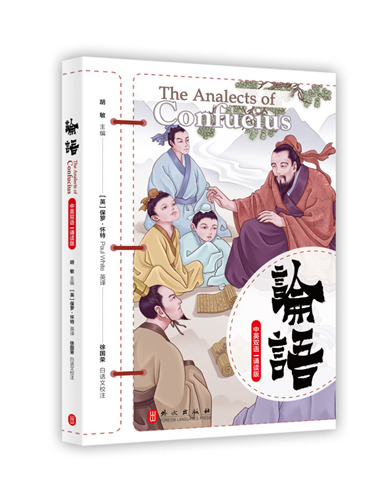
The Analects
Introduction
The Analects, a collection of sayings and ideas attributed to the Chinese philosopher Confucius (551-479 BC), is one of the most influential texts in Chinese history. Compiled by Confucius' disciples, the book provides insights into Confucian philosophy, which emphasizes morality, social relationships, justice, and sincerity. It's considered an essential resource for understanding traditional Chinese culture and has been widely studied and interpreted over the centuries. The Analects continues to hold significant cultural relevance and is celebrated globally for its enduring wisdom and guidance.
Structure and Content
The Analects is structured as a series of dialogues and exchanges between Confucius and his disciples. The text is divided into twenty books, each containing a collection of sayings and teachings. These cover a wide range of topics, including ethics, politics, education, and personal conduct. Central to the teachings are the concepts of "ren" (benevolence or humanity), "li" (proper behavior or ritual), and "xiao" (filial piety). Through conversations with his disciples, Confucius emphasizes the importance of moral integrity, the cultivation of virtuous character, and the pursuit of knowledge.
Historical Context
Confucius, who lived during the Spring and Autumn period (770-476 BC), sought to restore order and harmony through the application of ethical principles and moral education. The compilation of The Analects by Confucius' disciples after his death reflects their efforts to preserve his teachings and make them accessible for future generations. The text's emphasis on moral virtues and social harmony resonated with subsequent Chinese dynasties, shaping the cultural and philosophical landscape of China.
Influence and Legacy
The impact of The Analects on Chinese culture and beyond is profound. It has been a cornerstone of Chinese education for centuries, serving as a guide for personal development and social conduct. The text's teachings have influenced various aspects of Chinese society, including politics, education, and family life. Moreover, Confucianism, as articulated in The Analects, became the foundation for the civil service examinations in imperial China, promoting the values of meritocracy and scholarly learning. Globally, The Analects has been translated into numerous languages and continues to inspire discussions on ethics and philosophy.
Modern Interpretations
In contemporary times, The Analects remains a subject of study and interpretation across different cultures. Scholars and educators explore its relevance to modern societal issues, such as governance, leadership ethics, and intercultural dialogue. Confucius' teachings on mutual respect and ethical behavior have been highlighted in initiatives promoting global harmony and understanding. Despite the challenges of interpreting ancient texts in modern contexts, The Analects continues to offer timeless wisdom on human relationships and moral responsibilities.
Bilingual and Annotated Editions
Efforts to make The Analects accessible to non-Chinese readers have led to the development of bilingual and annotated editions. These editions typically include the original Chinese text alongside translations in various languages, accompanied by scholarly annotations that provide context and explanations. Annotated editions help readers appreciate the nuances of Confucian thought and the historical context of the text. Projects such as bilingual audio versions have also been developed to engage diverse audiences and promote cross-cultural appreciation of Confucian philosophy.
Cultural and Educational Initiatives
Numerous cultural and educational initiatives have been established to promote the study and appreciation of The Analects. Institutions like the Confucius Institutes around the world facilitate cultural exchange and learning, offering courses on Chinese language and Confucian philosophy. Events such as the China International Confucius Cultural Festival and the Nishan Forum on World Civilizations provide platforms for dialogue on the relevance of Confucian values in the modern world. These initiatives aim to foster a deeper understanding of Confucian thought and its potential contributions to global civilization.








